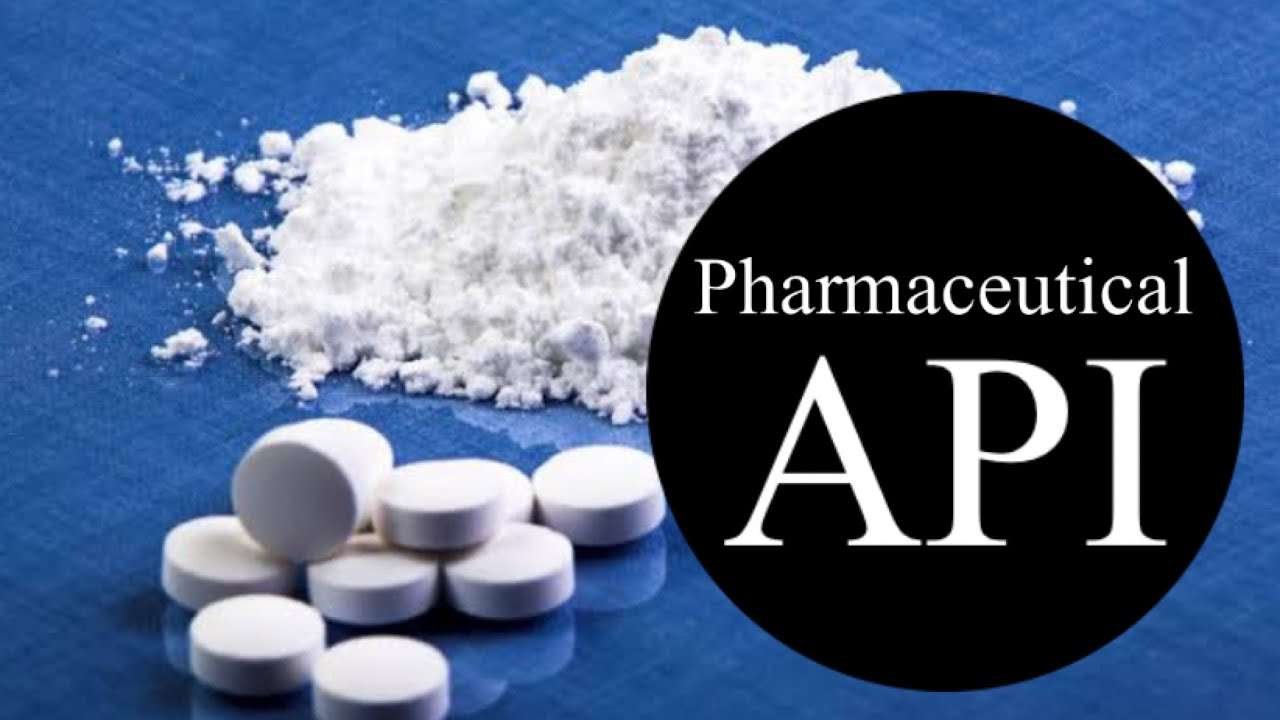

Pharma intermediates are crucial components in the production of medicines. These intermediates are the chemicals or compounds required to create active pharmaceutical ingredients (APIs). Selecting high-quality pharma intermediates is essential to ensure the final product is safe, effective, and meets regulatory standards.
The quality of pharma intermediates directly influences the efficiency and safety of the medications produced. Poor-quality intermediates can lead to ineffective medicines and pose serious health risks to patients. Therefore, understanding how to choose the best intermediates is vital for anyone involved in pharmaceutical manufacturing. At Venus Marketing, we prioritise the highest standards to guarantee that the intermediates you choose help produce the best possible medicines.
Understanding Pharma Intermediates and Their Importance
Pharma intermediates are essential in the production of active pharmaceutical ingredients (APIs). These intermediates are typically chemical compounds that serve as the raw materials or building blocks for API synthesis. Understanding their importance helps you appreciate the crucial role they play in pharmaceutical manufacturing.
Intermediates undergo numerous chemical reactions to become an API. The quality of these intermediates affects the final medicine’s purity, safety, and effectiveness. For instance, impurities in pharma intermediates can lead to adverse reactions in patients. Therefore, ensuring high-quality intermediates is vital for producing safe and effective medicines.
Pharma intermediates also contribute to the overall efficiency of the production process. High-quality intermediates often result in fewer production issues, reducing waste and saving time. This efficiency is crucial for meeting production deadlines and ensuring that medicines are available to those who need them.
Key Criteria for Selecting High-Quality Pharma Intermediates
Selecting high-quality pharma intermediates involves considering several key criteria. These criteria ensure that the intermediates meet the necessary standards for pharmaceutical production. Here are the main factors to consider:
1. Purity: One of the most critical factors in selecting intermediates is their purity. High-purity intermediates lead to safer and more effective medicines. Advanced analytical techniques are used to verify the purity of each batch.
2. Stability: The stability of the intermediates ensures they do not degrade over time. Stable intermediates maintain their effectiveness throughout the production process. This includes their ability to withstand different storage and handling conditions.
3. Compatibility: Intermediates must be compatible with other chemicals involved in the production process. Incompatible intermediates can cause unwanted reactions, leading to reduced efficacy or harmful effects.
4. Regulatory Compliance: All pharma intermediates must meet local and international regulatory standards. This compliance ensures that the final product can be approved for use in multiple markets.
5. Supplier Reliability: Working with reliable suppliers ensures consistent quality and availability of intermediates. Reliable suppliers follow good manufacturing practices and have a proven track record of providing high-quality products.
By focusing on these key criteria, you can ensure that the intermediates selected will contribute to the production of safe, effective, and high-quality medicines.
Essential Quality Control Tests for Pharma Intermediates
Quality control tests are crucial to ensuring that pharma intermediates meet high standards. Various tests are conducted to verify the purity, stability, and overall quality of the intermediates before they proceed to the next stage of production. Here are some of the key quality control tests used:
1. Purity Tests: These tests measure the purity levels of the intermediates. Techniques such as high-performance liquid chromatography (HPLC) and gas chromatography (GC) are commonly used to identify and quantify impurities.
2. Stability Tests: To ensure that intermediates remain effective over time, stability tests are conducted under different conditions. These tests help determine how intermediates react to changes in temperature, humidity, and light, ensuring they maintain their quality throughout their shelf life.
3. Microbial Tests: These tests detect any microbial contamination in the intermediates. Contaminants like bacteria and fungi can severely affect the safety and efficacy of the final product.
4. Spectroscopic Analysis: Methods like nuclear magnetic resonance (NMR) and infrared (IR) spectroscopy help identify the molecular structure of the intermediates. This ensures that the chemical composition is as expected.
Conducting these quality control tests helps ensure the pharma intermediates meet the stringent standards required for safe and effective pharmaceutical production.
Best Practices for Sourcing Reliable Suppliers
Sourcing reliable suppliers for pharma intermediates is vital for maintaining consistent quality and timely delivery. Here are some best practices for finding and working with trustworthy suppliers:
1. Supplier Audits: Conduct regular audits to evaluate the supplier’s quality control processes, manufacturing practices, and overall reliability. This helps ensure that they can consistently deliver high-quality intermediates.
2. Certification Check: Ensure that the supplier has the necessary certifications, such as GMP (Good Manufacturing Practices) and ISO (International Organization for Standardization) certifications. These certifications indicate compliance with global quality standards.
3. Sample Testing: Before committing to a large order, request samples of the intermediates for quality testing. This allows you to verify the quality before making a significant investment.
4. Long-Term Relationships: Building long-term relationships with reliable suppliers can lead to more consistent quality and better communication. Trustworthy suppliers are more likely to prioritise your needs and maintain high standards.
5. Risk Management: Develop a risk management plan to address potential issues such as supply chain disruptions. Having alternative suppliers can help mitigate risks and ensure a steady supply of intermediates.
By following these best practices, you can ensure that the pharma intermediates sourced are of the highest quality, contributing to the production of safe and effective medications.
Conclusion
Selecting high-quality pharma intermediates is a critical step in ensuring the production of safe and effective medicines. By understanding the importance of these intermediates and applying key selection criteria, you can maintain high standards in pharmaceutical manufacturing. Rigorous quality control tests further guarantee that the intermediates meet stringent safety and efficacy guidelines.
To explore how we at Venus Marketing maintain these high standards and to learn more about our processes, contact us today. Join us in our mission to produce the highest quality pharma intermediates and other products for the global market.