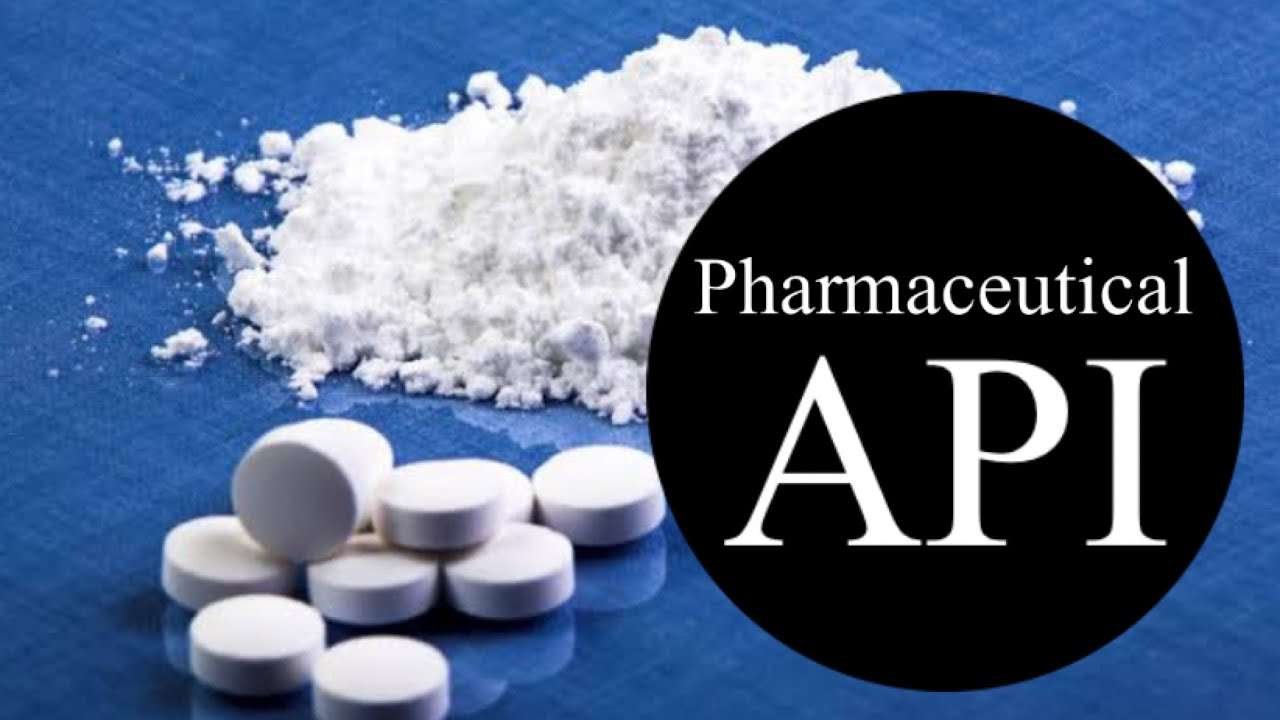

The pharmaceutical industry is a rapidly evolving and highly competitive sector, with a constant drive for innovation and a growing need for efficient and effective medication production. At the heart of the pharmaceutical industry is a key component that plays a substantial role in the development and manufacturing of effective drugs: Active Pharmaceutical Ingredients (APIs). APIs hold immense significance in ensuring that various medications deliver their desired therapeutic effects. As API manufacturers and suppliers to the pharmaceutical industry, we, at Venus Marketing, understand the critical nature of this element and are committed to maintaining the highest quality standards in our API production processes.
In this article, we will delve into the API manufacturing process, touching upon different techniques, methods, and considerations required for API development. Be it a novel drug molecule or an off-patent medication, producing an API requires various stages and techniques to be executed with utmost precision and efficiency, all while complying with regulatory guidelines.
API manufacturing can be broadly classified into two processes: the synthesis of the active ingredient (the chemical or biological process during which the API is created) and the purification and isolation of the API from the associated impurities and by-products. Both these processes are equally important to ensure that the product meets the desired quality requirements.
The Journey of API Manufacturing: From Synthesis to Purification
Understanding Chemical Synthesis in API Manufacturing
Chemical synthesis remains the cornerstone of API manufacturing, particularly for small-molecule drugs. This method involves a series of well-defined chemical reactions that occur in a controlled environment to transform raw materials or building blocks into the desired API. While chemical synthesis is widely adopted by the pharmaceutical industry, it comes with a few challenges, such as the generation of waste, consumption of resources, and potential environmental impact. However, recent advancements in green chemistry offer sustainable practices and strategies that can minimise the ecological footprint of chemical synthesis.
In order to guarantee high-quality APIs, manufacturers need to consider important factors such as reaction selectivity, reaction yield, and the choice of appropriate reagents and catalysts. Another crucial aspect is the optimisation of reaction conditions, which can greatly influence the reaction outcomes. Stereochemistry also plays a vital role in API development, given that the stereochemistry of a drug molecule can affect its therapeutic properties, side effects, and interactions with biological targets.
Embracing Biocatalysis as a Green Alternative
Biocatalysis offers an alternative method that harnesses the power of enzymes, microorganisms or whole cells for the synthesis of APIs, particularly in the production of biopharmaceuticals and complex drug molecules. Biocatalytic processes have seen increasing adoption in the pharmaceutical industry, owing to their ability to carry out chemo-, regio- and stereoselective reactions with high efficiency and under milder conditions as compared to chemical synthesis.
Moreover, biocatalysis presents an eco-friendly approach, with enzyme-catalysed reactions requiring fewer hazardous reagents, generating less waste, and consuming less energy. Additionally, biocatalytic processes enable consistent quality control, scalability, and the ability to work with complex and sensitive substrates.
Advancements in API Manufacturing Techniques
As API manufacturing continues to evolve, we have witnessed the emergence of advanced technologies and cutting-edge processes that offer new avenues for the development of high-quality, efficient, and sustainable APIs. Below, we discuss some of these innovative techniques that have captured the attention of the pharmaceutical world.
1. Continuous Flow Chemistry
Continuous flow chemistry has emerged as a revolutionary technique that enables rapid, efficient, and reliable API development. It utilises a continuous stream of reactants that flow through a pipe or tube, allowing reactions to occur under highly controlled conditions. The continuous nature of the process enables precise control of reaction parameters, reduced solvent usage, and lowered risk of hazardous reactions. Furthermore, scaling-up the process is considerably simplified, as it primarily involves increasing the flow rates or using multiple reactors in parallel.
2. Microreactors
Microreactors are miniature devices designed to carry out chemical reactions efficiently, precisely, and safely. They typically consist of microscale channels, chambers, or wells that enable small volumes of reactants to flow through and react under controlled conditions. By exploiting microscale dimensions and fluid dynamics, microreactors enable enhanced heat and mass transfer, rapid mixing, and precise temperature control. Consequently, microreactors can significantly improve reaction kinetics, selectivity, and yield while reducing the risks associated with hazardous reactions.
3. Biocatalytic Cascades
Biocatalytic cascades, also known as enzyme cascades or multienzyme processes, are strategies that integrate multiple biocatalytic reactions into a single process. By combining enzymes that work sequentially or in tandem, manufacturers can significantly streamline API production, reducing the need for intermediate purification, minimising waste, and conserving resources. Moreover, biocatalytic cascades can offer improved selectivity and efficiency, making them an attractive option for synthesising complex and challenging APIs.
The Final Steps: Purification and Isolation of APIs
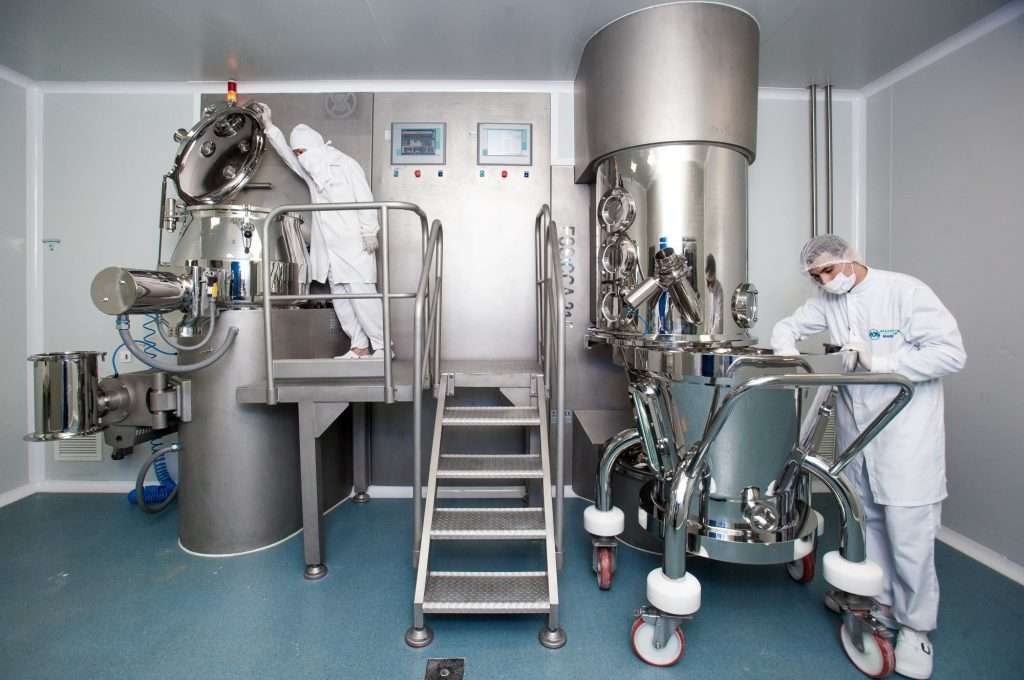
Once the API is synthesised through chemical or biocatalytic processes, the next crucial step is isolating and purifying the active ingredient from impurities, by-products, and residual solvents. Various separation techniques, such as chromatography, crystallisation, and filtration are employed to achieve this. The choice of purification strategy greatly impacts the overall quality and yield of the resulting API, making this a critical stage in API manufacturing. Manufacturers must adhere to strict regulatory guidelines and quality control measures to ensure the final API conforms to the purity, potency, and safety requirements set forth by regulatory authorities.
Conclusion
The landscape of API manufacturing is vast and continuously evolving. With a focus on innovation, sustainability, and efficiency, the pharmaceutical industry is embracing new techniques and processes to develop high-quality APIs that underpin the success of modern medicine.
As a leading API manufacturer and supplier, Venus Marketing is committed to staying at the forefront of these advancements and delivering unparalleled quality in the vital realm of API formulation.